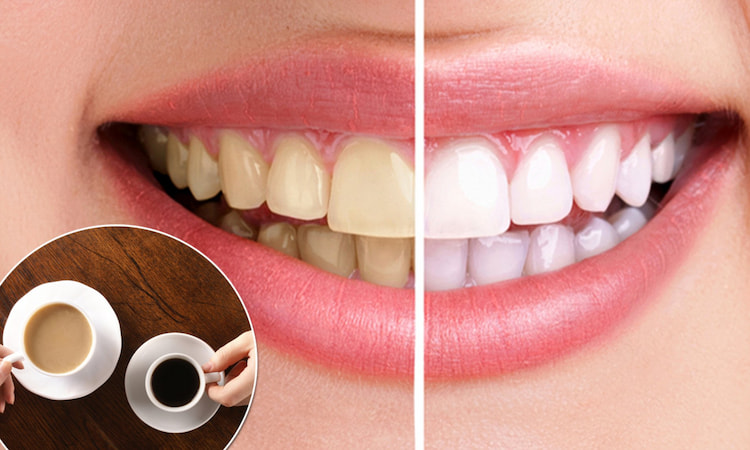
Negative Effects Of Teeth Bleaching Treatments Garland, Tx
Teeth Whitening Strips, Gels, Tooth Paste, Lightening, And A Lot More Finally, while teeth bleaching can boost your smile and improve your self-confidence, it's essential to wage care. By choosing professional-grade items and looking for the suggestions of an oral professional, you can delight in the advantages of a brighter smile while reducing the dangers. Bear in mind, a healthy and balanced smile is a lovely smile, and maintaining your oral health needs to constantly be the top priority. Many oral specialists suggest teeth whitening for individuals over the age of 16. Whether done professionally or with over-the-counter items, the goal is the same, whiter, brighter teeth. However, prior to embarking on a teeth lightening journey, it is very important to understand the potential side effects of teeth whitening that might occur. The most common adverse effects of teeth lightening is temporary level of sensitivity. This level of sensitivity shouldn't last more than a few days after the therapy and is typically convenient with a special, anti-sensitivity toothpaste.
This is why maintaining good oral health and scheduling normal touch-ups is necessary to keep your smile bright without overexposing your teeth to whitening agents.While specialist bleaching treatments are typically taken into consideration more secure than DIY sets, some people experience temporary discomfort after the procedure.While teeth lightening can enhance the look of your smile, it is very important to be aware of possible risks and side effects, such as tooth sensitivity and gum tissue irritation.Over-the-Counter Whitening ProductsYou might see various choices online or in your regional food store, such as toothpastes or strips that lighten by whitening your teeth.
What Are The Side Effects Of Teeth Bleaching?
Mild tooth sensitivity and gum irritability are completely regular, yet long term pain, blisters, or enamel damage are not. Sometimes the bleaching gel enters into contact with the gum tissues, causing light irritability or a prickling feeling. This is commonly temporary and subsides once the lightening therapy is completed. An expert application at Novelly Household Dental care ensures that bleaching gels are used precisely, decreasing the danger of gum inflammation. Currently, just dentist-dispensed home-use items containing 10% carbamide peroxide and office-applied products including 35% hydrogen peroxide have this seal. Teeth lightening therapies might not generate uniform outcomes, especially if you have dental reconstructions like crowns, veneers, or dental fillings.
Does brushing 2 times a day whiten teeth?
Cleaning your teeth will not make them white. Dentists advise brushing your teeth twice or more daily to remove plaque, avoid tooth cavities, and avoid gum disease. However, normal cleansing or making use of whitening toothpaste can't substantially whiten teeth.
Step 1: Talk With Your Dental Expert
This is why keeping good oral hygiene and scheduling regular touch-ups is essential to keep your smile brilliant without overexposing your teeth to lightening representatives. Lightening gels and strips consist of solid whitening agents that can create irritation if they come into contact with your gums. If not applied thoroughly, these chemicals can lead to burns, swelling, or perhaps receding gum tissues over time. Over 10 years of medical use of teeth bleaching items having 10% carbamide peroxide have not shown any damages to existing dental fillings. Lightening gels are clear, peroxide-based gels applied with a small brush directly to the surface area of your teeth. Preliminary outcomes are seen in a few days, and outcomes last concerning 4 months. Smokers need to be conscious that their results will certainly be restricted unless they avoid proceeded cigarette smoking, https://ultimawhite.co.uk/ specifically during the bleaching process. A healthy overview is to achieve a shade somewhat whiter than the whites of your eyes. This update supplies a summary of existing research study and analysis of the safety and effectiveness of tooth bleaching routines. Dental bonding makes use of a tooth-colored material applied and solidified with a special light.